
Dynamic Posture 101
A concise guide for qualifying hockey movement
(Originally published July 2020)
The idea for this article came from David Tews, who read Hockey Tactics 2020 and emailed me with some thoughts, including this one:
I found your discussions on skating/shooting posture and technique fascinating. However, I thought you could have first outlined what proper posture and form (as they translate to on-ice skills and results) look like before analyzing those aspects within individual players.
I fully recognize that my deficiencies in those areas likely stem from my own personal lack of research and playing experience and it is not your duty to fill those information gaps, but it would have been helpful for the sake of comparison in these cases.
David never played the game but has followed it closely for years. He has also worked for teams at the junior, NCAA and AHL levels.
As a passionate and informed outsider, I would argue that people like David actually have the best perspective on the game because they are inquisitive and don’t hold as many assumptions about how things work.
If he is wanting for explanations then he must not be alone. So here are three things I’m talking about, when I talk about dynamic posture.
Flexion
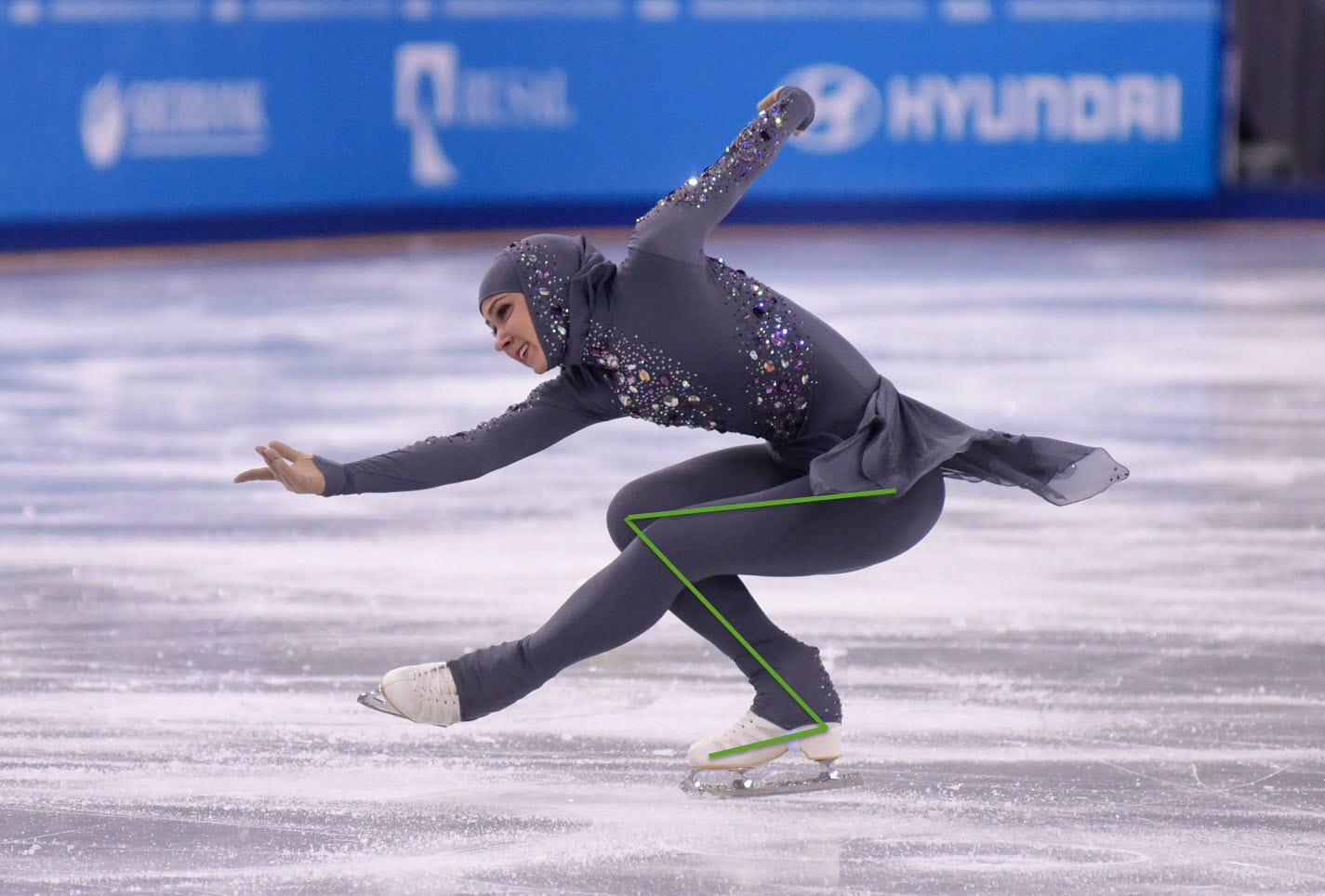
In skating everything starts with the ankles. If you are able to bend the ankle correctly you are able to “stack” your knee and hip over your skate blade into a “triple flexion” pose.
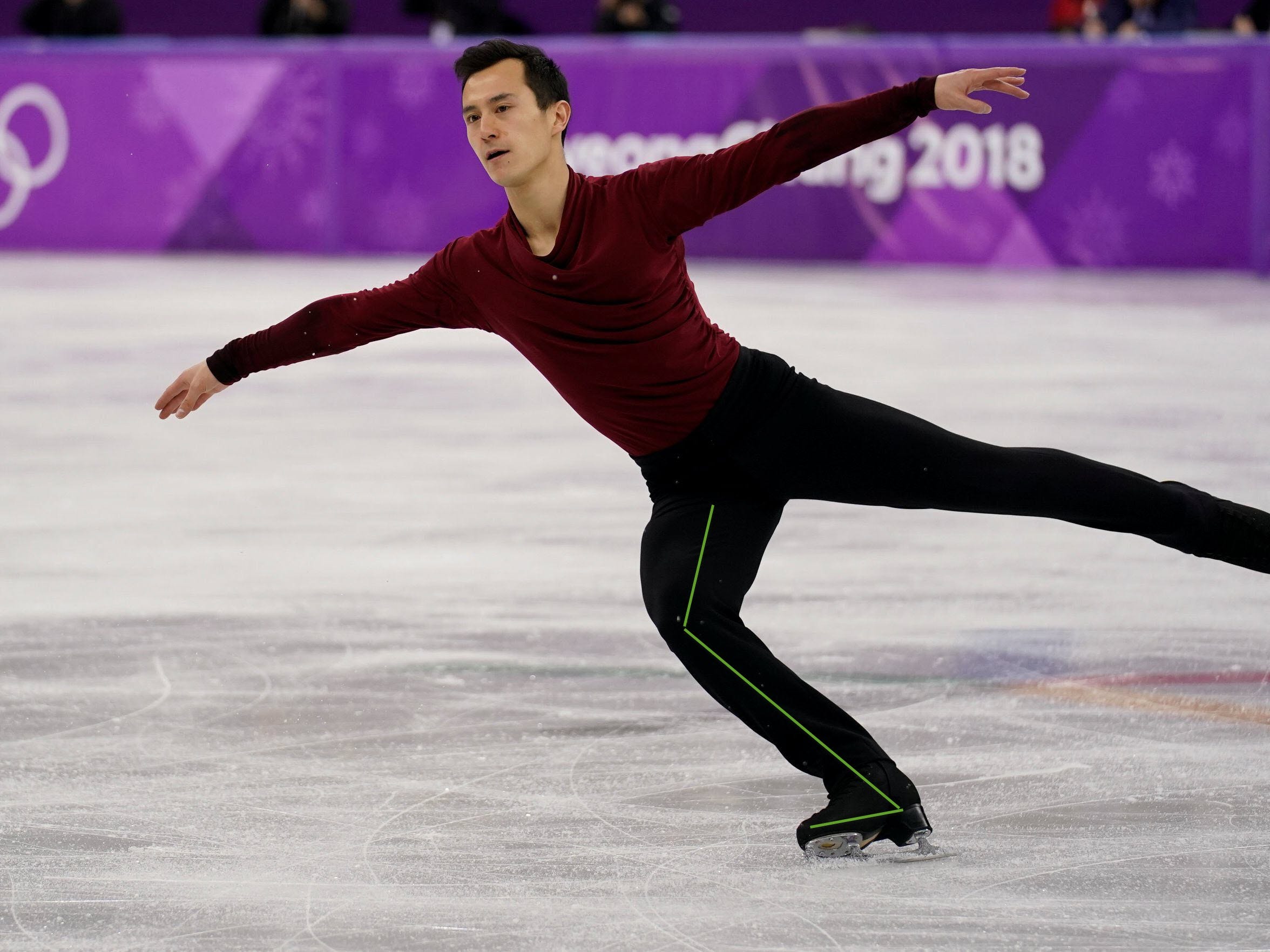
The quality and stability of this load is what will determine your potential as a skater.
Beginners and minor hockey players have a tendency to bend at the hip instead of at the ankle. This overly hunched-over pose prevents them from loading correctly and inhibits speed, stability and agility. Plus it’s terrible for the lower back.
Rotation
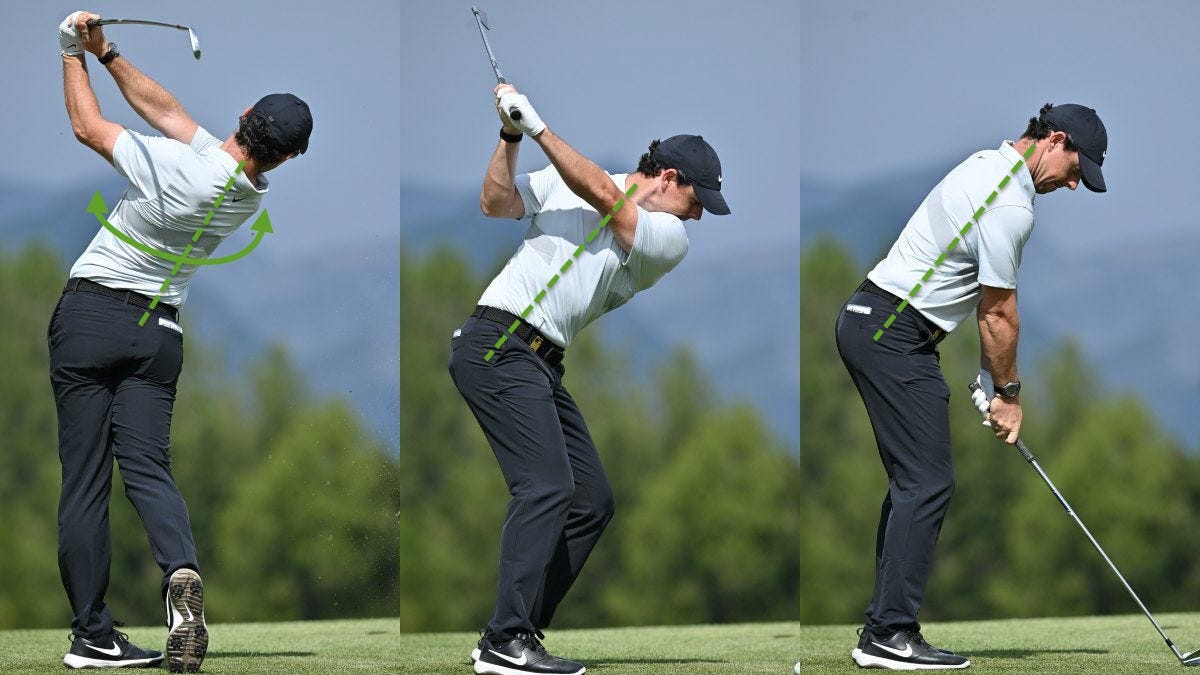
Whether in hockey, figure skating, tennis or golf the second key to good movement is an athlete’s ability to rotate. Flexion allows them to root firmly into the playing surface. From there the next action is to drive the core, which rotates the upper body freely and on-axis to develop speed in the extremities.
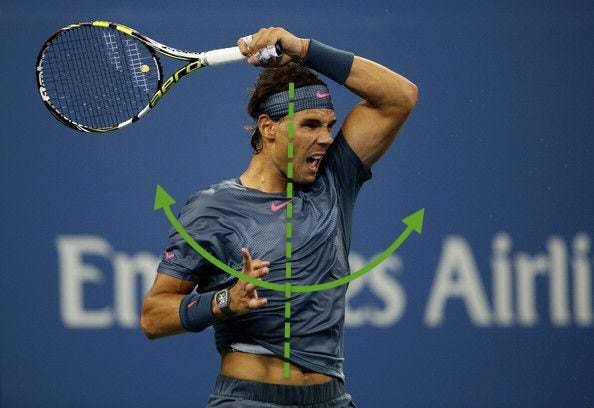
Rafael Nadal’s unorthodox forehand is really anything but. From a physics point of view his swing is textbook. The strange finishing position of his hand is only a symptom of a violent upward thrust through his rotation. This is what allows him to apply an unprecedented amount of pace and topspin on his stroke.
Weight Transfer
Flexion and rotation can be tested and improved in isolation. But the timing of the weight transfer, which ultimately makes everything work, is far trickier to explain, assess and address.
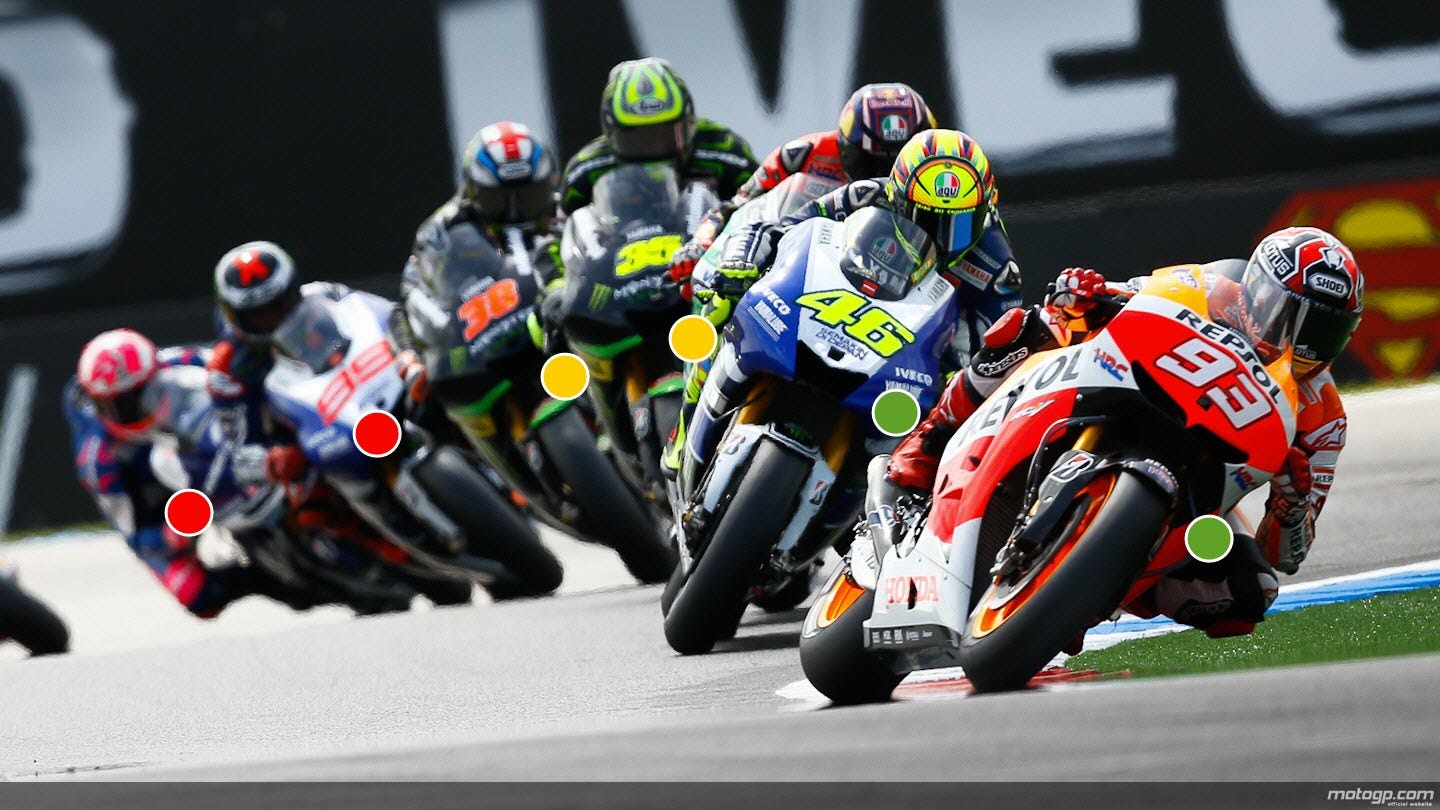
See how these MotoGP riders work with their 300lb machines through a tight right-left chicane. Each athlete must start from a loaded position (flexion, rotation!) to their right, shift their center of mass quickly and precisely coming out of the first turn, then reproduce the same posture on the left side through the second turn. It’s hard enough for hockey players to slalom around defenders at 15mph, but imagine doing it at 150mph!
Putting it all together
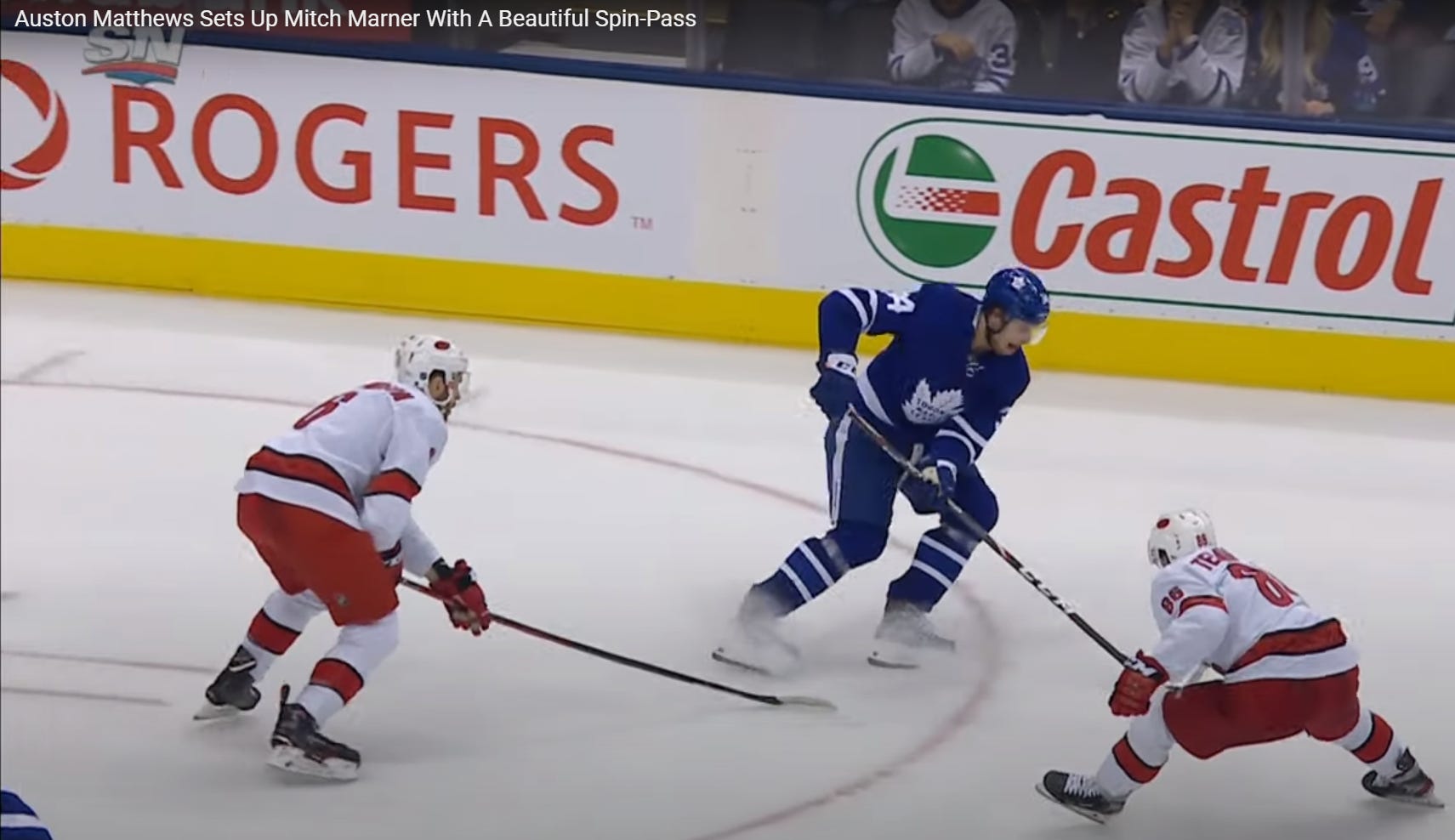
This is perhaps the purest example of the flexion-rotation-weight transfer trifecta I’ve seen.
Going into the turn Auston Matthews’ knees are over his toecaps, suggesting proper flexion and a low center of mass.
He rotates 360 degrees on-axis, like a spinning top.
Coming out of the turn he shifts his weight through his backhand pass to give it precision and the right amount of pop.
Then Mitch Marner links up the three concepts in a different way, going knee-down on a one-timer to shoot the puck into the net.
Poetry in motion.
Want more unique analysis of top professional players?
If you enjoy this newsletter and want to see more free content, consider ordering a copy of my e-book Hockey Tactics 2020, edited by a legendary journalist and illustrated by an artist whose work you have surely already seen. Eight chapters, more timely insights, more timeless principles. Get it now